

Introduction
Learning programming is exciting, but every developer faces one common challenge: bugs and mistakes in code. Understanding how to fix code errors is one of the most important skills for beginners and intermediate learners. Without this skill, even simple projects can feel frustrating and confusing. When you are building websites, apps, or scripts, errors will appear again and again, and knowing how to fix code errors will save your time and energy. Many beginners think errors mean they are not good at coding, but that is not true. Errors are a normal part of learning and improving. Every professional developer still spends time debugging daily. The difference is that experienced programmers know how to fix code errors quickly and efficiently. In this guide, you will learn practical steps, simple techniques, and expert strategies to solve coding problems with confidence. Whether you are working in Python, JavaScript, PHP, or any other language, these methods will help you understand what went wrong and how to correct it. By the end, you will feel more confident in handling bugs and improving your coding workflow.
What is How to Fix Code Errors?
How to fix code errors means identifying mistakes in your programming code and correcting them so the program works properly. These errors can happen due to syntax issues, logical mistakes, missing elements, or incorrect functions. When learning how to fix code errors, you are actually learning debugging, which is the process of finding and solving problems in code. Every programming language has its own rules, and even a small mistake like a missing semicolon or wrong spelling can break the entire program. Understanding how to fix code errors involves reading error messages, analyzing code structure, and testing solutions step by step. Debugging is not just about fixing problems; it is also about understanding why the problem happened. This skill helps you become a better and more confident developer over time. When you master how to fix code errors, you reduce frustration and improve productivity in every project you build.
Why is How to Fix Code Errors Important?
Knowing how to fix code errors is extremely important for every programmer because errors are unavoidable. No matter how experienced you are, bugs will always appear in your code. If you do not understand how to fix code errors, even small issues can stop your entire project. This skill helps you save time because instead of guessing, you can quickly identify the problem. It also improves your logical thinking and problem-solving abilities. When you learn how to fix code errors, you become more independent and do not always rely on others for help. This is especially important for freelancers, students, and developers working on real-world projects. Another reason is performance improvement. Clean and error-free code runs faster and more efficiently. Companies also value developers who know how to fix code errors because it shows strong technical understanding. In short, this skill is essential for growth in the programming field and helps you build reliable software.
Detailed Step-by-Step Guide
Step 1: Read the Error Message Carefully
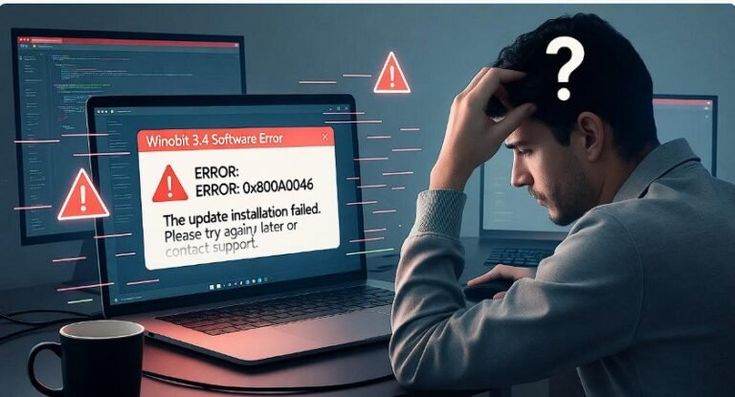
The first step in how to fix code errors is reading the error message. Many beginners ignore it, but error messages are very helpful. They tell you what went wrong and sometimes even where the problem is located. Carefully analyze the message before making changes.
Step 2: Identify the Problem Area

Once you understand the message, locate the section of code causing the issue. This is an important step in how to fix code errors because fixing the wrong part wastes time. Look for missing symbols, incorrect logic, or spelling mistakes.
Step 3: Check Syntax and Structure
Syntax errors are the most common. While learning how to fix code errors, always check if brackets, commas, and semicolons are correct. Even one missing character can break the program.
Step 4: Use Debugging Tools
Modern coding environments provide debugging tools. These tools help you step through your code and find mistakes. Using them is a smart way to improve how to fix code errors efficiently.
Step 5: Test Small Parts of Code
Instead of testing the entire program, test small sections. This method helps you isolate issues faster. It is one of the most effective techniques in how to fix code errors.
Step 6: Search for Solutions
If you are stuck, search for similar problems online. Many developers face the same issues. This is a practical part of learning how to fix code errors.
Step 7: Fix and Re-Test
After making changes, always run your code again. This ensures that the error is solved and no new issues are created. Re-testing is a key step in how to fix code errors.
Benefits of How to Fix Code Errors
- Improves problem-solving skills
- Increases coding speed and efficiency
- Helps in building error-free applications
- Reduces frustration during development
- Builds confidence in programming
- Enhances logical thinking abilities
- Makes debugging easier in future projects
Disadvantages / Risks
- Can be time-consuming for beginners
- Sometimes difficult to understand error messages
- Risk of fixing the wrong part of code
- Over-dependence on debugging tools
- May cause frustration if not handled properly
- Requires patience and practice
Common Mistakes to Avoid
One common mistake in how to fix code errors is ignoring error messages. Many beginners skip them and try random fixes. Another mistake is changing multiple parts of code at once, which makes it harder to find the real issue. Beginners also often forget to test small sections of code, leading to confusion. Not using debugging tools is another big mistake. Some developers also copy solutions without understanding them, which prevents learning. Lastly, rushing through fixes without proper analysis often creates more errors instead of solving them. Avoiding these mistakes will make how to fix code errors much easier and more effective.
FAQs
1. What is the easiest way to fix code errors?
The easiest way is to read the error message carefully and identify the exact line causing the issue. This is the first step in how to fix code errors.
2. Why do code errors happen?
Code errors happen due to syntax mistakes, logical errors, missing elements, or incorrect programming structure. Learning how to fix code errors helps you handle them easily.
3. Can beginners learn how to fix code errors easily?
Yes, beginners can learn it with practice. Understanding basic debugging techniques makes how to fix code errors much simpler.
4. Do all programming languages have errors?
Yes, every programming language can produce errors. That is why knowing how to fix code errors is important for all developers.
5. What tools help in fixing code errors?
Code editors, debugging tools, and browser developer tools help in identifying and solving issues. They improve how to fix code errors efficiently.
6. Is debugging a skill or experience?
Debugging is both a skill and experience. The more you practice how to fix code errors, the better you become.
Expert Tips & Bonus Points
Always write clean and organized code because it reduces the chances of errors. Comment your code properly so you understand it later. Take breaks when stuck, as fresh thinking helps solve problems faster. Learn keyboard shortcuts in your editor to speed up debugging. Keep practicing small coding projects regularly. Join coding communities to learn how others approach how to fix code errors. Most importantly, stay patient because debugging is a natural part of programming.
Conclusion
Understanding how to fix code errors is one of the most important skills in programming. Whether you are a beginner or an intermediate developer, errors will always be part of your coding journey. Instead of fearing them, you should learn how to analyze and solve them step by step. When you master how to fix code errors, you become more confident, productive, and efficient in your work. This skill not only helps you complete projects faster but also improves your overall programming logic. Every error you solve teaches you something new and strengthens your understanding of coding concepts. Over time, you will notice that debugging becomes easier and even enjoyable. The key is patience, practice, and consistency. Do not rush the process, and always take time to understand what went wrong. With regular practice, how to fix code errors will become second nature, and you will be able to build stronger, cleaner, and more professional applications.
